




Beauty brand used education and replenishment to increase repeat purchase
he product was not the problem. customers were buying once, using it inconsistently, and never being brought back when they were likely to run out. enviary rebuilt the post-purchase journey around education first, replenishment second.
repeat purchase rate
+
0
%

- Verified Outcome
replenishment flow CVR
0
%
THE PROBLEM
customers bought once, used it incorrectly, and never came back
81% of customers never repurchased
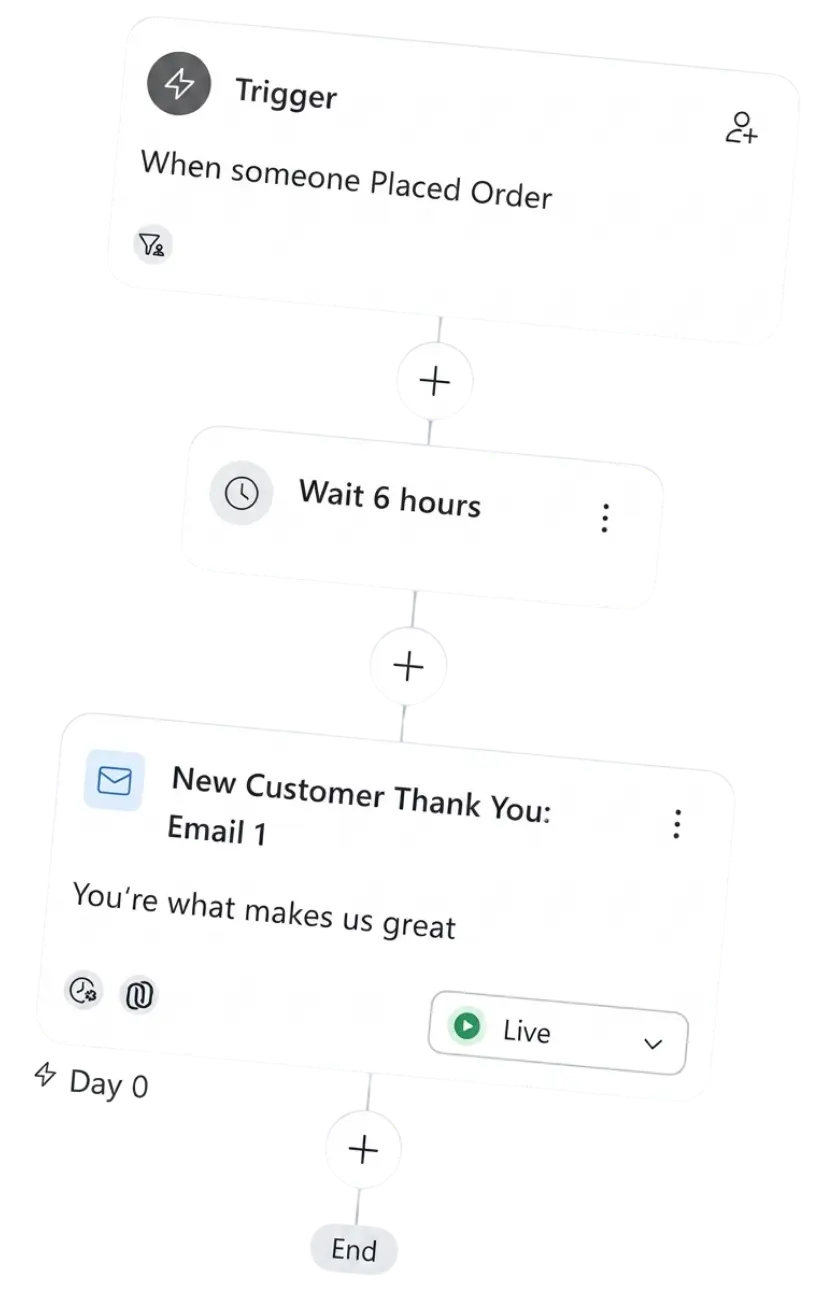
the post-purchase flow was a single thank-you email with no usage guidance.
no replenishment trigger existed despite a predictable 28-day product cycle.
WHY IT MATTERED
Incorrect use looks like a product problem, not a marketing one
- Misuse leads to lower ratings and fewer reviews, quietly weakening social proof.
- Without replenishment timing, even satisfied customers forget to reorder.
- Education fixes perceived effectiveness, replenishment fixes forgetfulness, and this brand had neither.
- Improving education alone boosts satisfaction but not revenue without reorder triggers.

WHAT ENVIARY CHANGED
built education and replenishment as two connected flows, not one
What we built
- built a 4-email usage education series in the first 14 days post-purchase.
- added a “results check-in” email at day 21 to catch and resolve usage issues before churn
- built a replenishment flow timed to the product’s ~28-day lifespan, triggered from actual purchase date
- layered loyalty messaging into replenishment for customers on their third reorder or later.
pre-agency
0
%
repeat purchase rate
after working with enviary
+
0
%
repeat purchase rate
THE RESULT
education fixed perception, replenishment fixed timing
repeat purchase rate
0
%
replenishment flow CVR
0
%
negative review rate
-
0
%
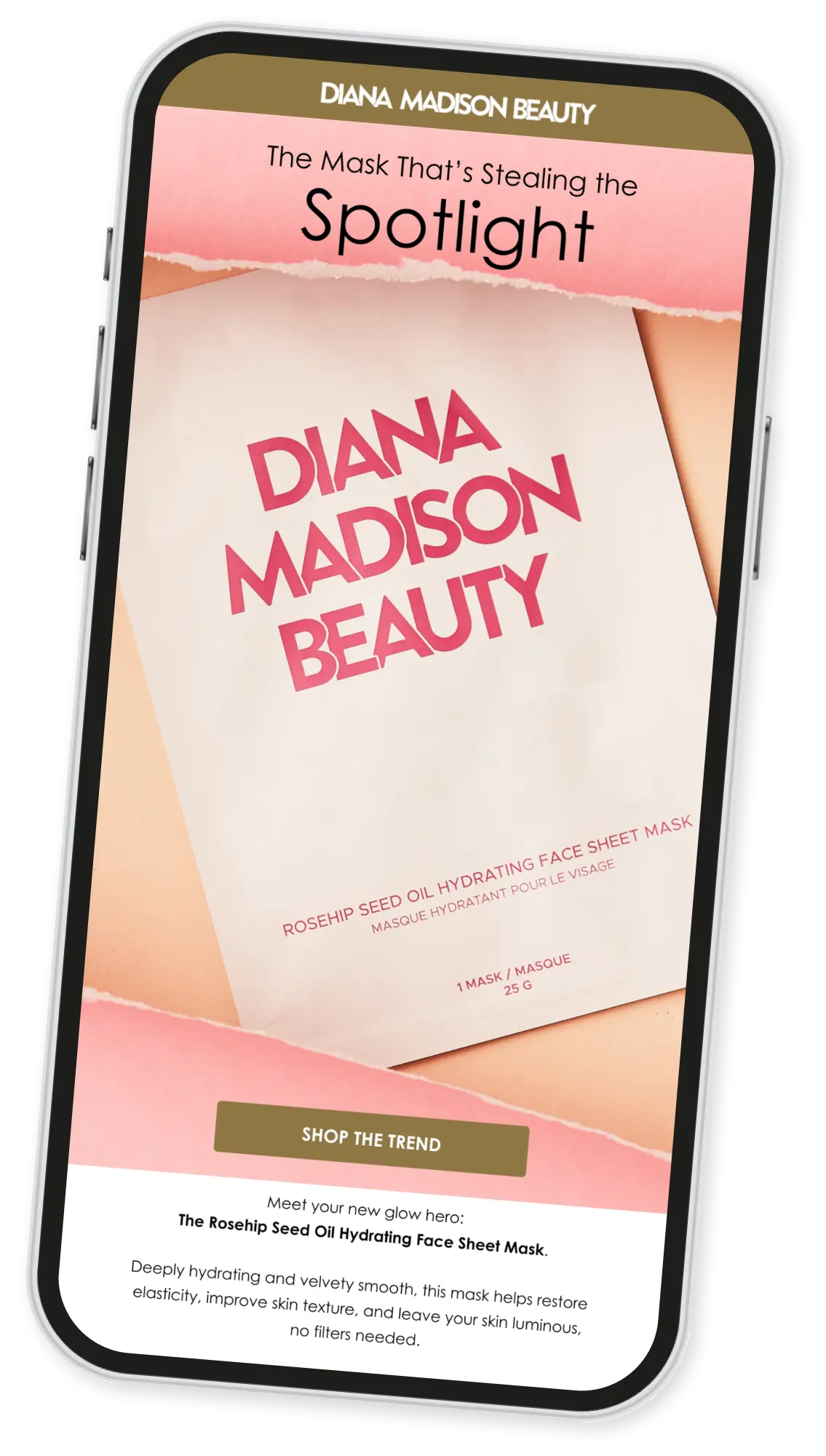
CREATIVE EXCELLENCE
Aesthetics that convert


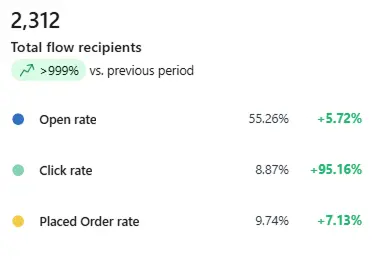
Results Snapshot
measurable growth through education and replenishment
WHY IT WORKED
the product was fine. customers needed better education and better timing.
“customers were not leaving because the product failed. they were leaving because no one had shown them how to use it properly or reminded them when to buy again. once those gaps were closed, repeat purchase stopped depending on discounts.”